Focused arrival windows
Useful updates and clear arrival timing.
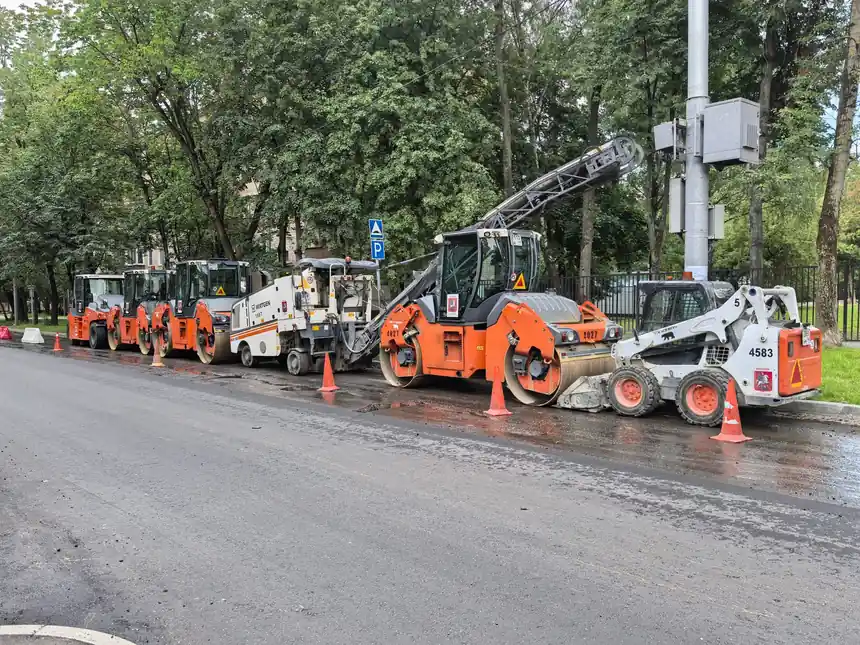
Root cutting El Dorado Hills CA is the fastest way to clear tree roots that have invaded your sewer line. If your drains are slow, gurgling, or backing up, roots are the usual suspect. We run a camera, cut the roots out, and prove the line flows before we leave. Same-day and emergency root cutting El Dorado Hills CA service is available for homes across El Dorado County.
Useful updates and clear arrival timing.
Review the approach and price before deciding.
Equipped vehicles and respectful cleanup.
Neighbors serving neighbors with follow-through.
Every root cutting visit covers the essentials: locating the line, camera inspection, cutting the roots, flushing the debris, and a final camera pass to prove the pipe is clear. Add-ons like hydrojetting, root inhibitor treatment, or pipe lining are quoted separately, and we only recommend them when the camera shows they are needed.
We find the cleanout and any upstream access points before we start. On older El Dorado Hills homes without an accessible cleanout, we locate the line with a pipe locator and identify the best entry point so we can work without digging.
A sewer camera goes down the line to record root location, pipe material, diameter, and condition. You see the footage. This step tells us which cutter head to use and whether the pipe can take cutting or needs lining instead.
We run a carbide or chain root cutter through the pipe at the root mass, shearing roots flush with the wall. On long runs or multiple intrusion points, we make additional passes until the camera shows a clear pipe.
After cutting, we flush the line to push root cuttings and loosened debris through to the city main. On heavier jobs we follow with hydrojetting to scrub the pipe wall and remove the residue roots cling to when they regrow.
We run the camera a second time and show you the clear pipe. If we find a crack, offset, or bellied section, we document it and explain your options, whether that is spot repair, pipe lining, or a maintenance schedule.
You get a plain-language summary of what we found and what we did, plus a recommendation on how often to re-cut. That record is useful if you sell the home or file a sewer claim with your insurer.
Share what is happening and receive a clear next step from the local team.
Root cutting El Dorado Hills CA is a sewer service that uses a rotating cutting head to shear tree roots out of the inside of your pipe, restoring full flow without digging up your yard. We feed a steel cable or high-pressure hose through the cleanout, spin a carbide or chain cutter at the root mass, and pull the debris back out. A sewer camera confirms the pipe is clear and shows us whether the roots caused a crack, an offset joint, or a full collapse.
El Dorado Hills sits on heavy clay and decomposed granite, and the oaks, pines, and maples above your sewer line send roots straight to the moisture. Homes in Serrano and Lake Ridge built in the 1990s and 2000s now have mature root systems sitting on top of original PVC pipe. That is why sewer root cutting El Dorado Hills calls come in year-round, and why tree root cutting sewer line El Dorado Hills California work is one of our most requested services.
We find the cleanout, then run a sewer camera down the line to see exactly where the roots are, how thick the mass is, and whether the pipe is cracked or offset. This takes 15 to 30 minutes and tells us which cutter head to use. You watch the monitor with us.
We lay drop cloths, set the machine at the cleanout, and check the pressure gauge on the hydrojetting machine if we are using water instead of cable. Floors and fixtures stay clean. Setup runs about 10 minutes on a typical El Dorado Hills home.
We feed the root cutter through the pipe and spin it through the root mass at the joint. Carbide tips or a chain cutter shear the roots flush with the pipe wall. Depending on how far the roots have traveled, this stage takes 45 minutes to two hours.
Once the roots are cut, we flush the line to push the cuttings through to the main. On heavier jobs we follow with hydrojetting to scrub the pipe wall clean. You will hear the line go from a gurgle to a steady rush, which is the sound of a clear pipe.
We run the camera a second time to confirm the pipe is clear and to document any damage. Then we tell you what we saw, how often roots are likely to return, and whether pipe lining or spot repair makes sense. You get a straight answer, not a sales pitch.
Records the inside of the pipe before and after cutting. We use it to locate roots, measure pipe diameter, and document cracks or offsets so you can see exactly what is happening in your line.
Drives the cutting cable through the cleanout and down the line. It gives us controlled torque so the cutter shaves roots instead of slamming into the pipe wall.
Carbide and chain cutter heads sized to the pipe. These shear roots flush with the wall and handle everything from fine root hairs to thick masses at a joint.
Delivers water at 3,000 to 4,000 PSI to scrub grease, scale, and remaining root debris off the pipe wall after cutting. It leaves the pipe cleaner than cutting alone.
Finds the sewer line and cleanout when access is buried or the home has no visible cleanout. It lets us work through existing access instead of digging up landscaping.
Handles smaller branch lines and secondary drains where a full sectional machine is overkill. Useful for clearing kitchen and laundry lines tied into the main.
We never cut blind. The camera runs first to confirm root location, pipe material, and condition. That tells us which cutter head to use and whether the pipe can take cutting at all. If the pipe is cracked or collapsed, we stop and quote lining or replacement instead.
On heavy root jobs we cut first, then hydrojet at 3,000 to 4,000 PSI. Cutting removes the mass; jetting scrubs the wall so there is less organic residue for new roots to grab. The combination keeps lines clear longer than cutting alone.
After cutting, we can apply a foaming root inhibitor that coats the pipe wall and discourages regrowth. It is not a permanent fix, but it can extend the interval between cuttings from 12 months to 24 or more on lines that are otherwise sound.
When roots keep returning through a cracked or offset pipe, we install a CIPP liner saturated with epoxy resin. The liner cures in place and seals the pipe from the inside, blocking root entry permanently. It is installed through existing cleanouts, so no trenching.
We run the camera and find roots at a joint 30 feet out. We cut them out, flush the line, and verify with a second camera pass. The whole visit takes about two and a half hours. Drains flow normally that evening, and the homeowner gets a camera recording showing a clear pipe and a recommendation to re-check in 18 months.
We treat it as an emergency, arrive within a few hours, and cut a heavy root mass out of the main line. We follow with hydrojetting to clear the residue and confirm flow with the camera. The tenant has working drains the same day, and the owner gets documentation for the property file plus a recommendation on pipe lining if roots return.
We camera the line, cut the roots, and provide a written report with before-and-after footage. If the pipe is damaged, we quote spot repair or pipe lining so the sale can proceed. The buyer gets a clear sewer report, the seller avoids a price reduction, and the transaction closes without a sewer contingency fight.
We camera the line, find a cracked section where roots keep entering, and recommend pipe lining. The CIPP liner seals the pipe and blocks root entry permanently. No more annual cutting. The line flows freely, and the homeowner saves the recurring cost within a few years.
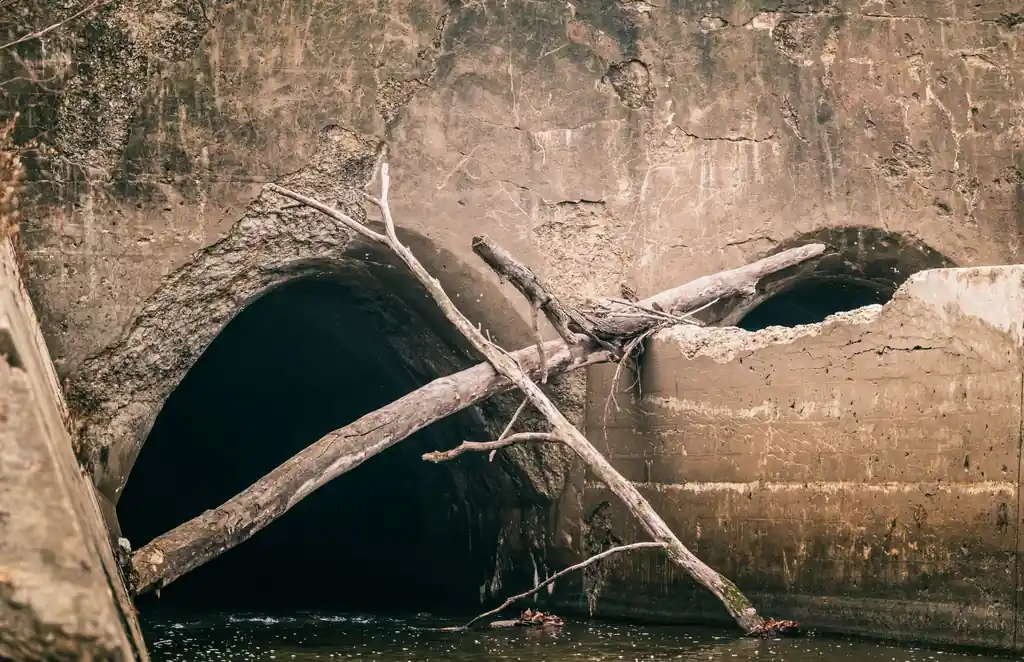
El Dorado Hills sits on expansive clay and decomposed granite, and that soil moves with the wet and dry seasons. When the ground shrinks in summer, pipe joints open slightly; when winter rain swells the clay, roots follow the moisture into those gaps. Add mature oaks, pines, and maples planted over original sewer runs in neighborhoods like Serrano and Lake Ridge, and you get the root intrusion pattern we see every week. Most homes here have 4-inch PVC or ABS pipe, though older pockets still run cast iron. We camera every line before cutting because clay soil also causes bellies and offsets that look like root problems but are not. If you need sewer root removal El Dorado Hills California on a line that has already backed up, we treat it as urgent and get there the same day. We also work with El Dorado County permit requirements when a cut reveals damage that needs spot repair or pipe lining.
Large mature oaks over original sewer runs make this one of our most frequent root cutting areas. Most lines here are 4-inch PVC with roots entering at joints.
Homes built in the 1990s now have mature landscaping sitting on top of the main line. Roots here tend to enter at the property-line joint.
Newer construction with PVC pipe, but heavy irrigation and fast-growing landscape trees push roots into cleanout risers and shallow runs.
A mix of older cast iron and replaced PVC. Cast iron sections are more prone to joint separation, which gives roots an easy entry point.
Larger lots with long sewer runs. Longer runs mean more joints, and more joints mean more places for roots to get in.
Seasonal movement opens pipe joints, giving roots a path in. It also causes bellies and offsets that mimic root blockages, which is why we camera every line before cutting.
These species send roots toward sewer moisture year-round. Lines under mature trees need cutting more often, sometimes every 12 months, and benefit from root inhibitor after each pass.
Wet soil accelerates root growth and pushes lines toward full blockage. Most emergency root cutting calls in El Dorado Hills come between November and March.
PVC holds up well, but joints and cleanout risers are the weak points. Roots enter there first, which is why we check joints specifically on every camera pass.
A Serrano homeowner had a downstairs shower backing up every time the washing machine drained. The line had not been serviced in years, and the camera showed a root mass blocking about 70 percent of the pipe at a joint 30 feet out.
We cut the roots out in about 90 minutes, flushed the line, and ran the camera again. The pipe was clear and the joint was intact. The homeowner ran the washer and shower the same evening with no backup.
Maintenance: We recommended a camera check in 18 months and a root inhibitor treatment at that visit. With clay soil and mature oaks nearby, annual or biennial cutting keeps this line flowing.
A Lake Ridge family had roots cut every spring for three years. Each time, the line cleared for a few months and then backed up again. The camera showed a cracked section where roots were re-entering through the pipe wall itself.
We cut the roots one more time to clear the line, then installed a CIPP liner through the cracked section. The liner sealed the pipe from the inside. Twelve months later, no backups and no regrowth at that point.
Maintenance: Lined pipe does not need root cutting at the repaired section. We still recommend a camera check every two to three years to monitor the rest of the run.
A rental in Governor's Village had sewage backing into the laundry room on a Saturday night. The tenant called, and the property owner needed it handled fast. The camera showed a full blockage from a heavy root mass at the property-line cleanout.
We arrived within a few hours, cut the roots out, and hydrojetted the line at 3,500 PSI to clear the residue. Total job time was just under three hours. The tenant had working drains before midnight.
Maintenance: We set the property on an annual root cutting schedule and applied a root inhibitor. For a rental, that schedule prevents emergency calls and keeps tenants from withholding rent over plumbing.
Roots do not announce themselves until the line is nearly blocked. These are the problems we see most often in El Dorado Hills, and how cutting the roots fixes them.
Every sink and shower drains sluggishly because the root mass is throttling the main line. Left alone, it plugs completely, usually on a weekend or holiday when you have guests. We camera the line, confirm the root location, and cut the mass out. Flow returns to normal the same day. If the camera shows a cracked pipe at the root point, we quote spot repair or pipe lining so the problem does not repeat every year.
Raw sewage in a shower or floor drain is a health hazard and a cleanup cost. It usually means the line is fully blocked and the next flush goes into your house, not the city main. Emergency root cutting El Dorado Hills CA service clears the blockage fast. We cut the roots, flush the line, and verify with the camera. Then we tell you what caused it and how to keep it from happening again.
Gurgling means air is being pulled through water traps because the line is partially blocked. It is the earliest warning sign of root intrusion, and the cheapest stage to fix. We cut the roots while the intrusion is still small, which takes less time and costs less than clearing a full blockage. A camera pass confirms the pipe is clear and shows whether roots have cracked the wall.
If you are cutting roots every year, the pipe is likely cracked or has an offset joint where roots re-enter. Repeat cutting alone will never solve it, and each pass weakens the pipe a little more. We camera the line and identify the entry point. If the pipe is damaged, we recommend pipe lining or spot repair to seal it. If it is sound, we set up a maintenance schedule and apply a root inhibitor after cutting.
$250 - $650 for standard residential root cutting; $450 - $1,100 with hydrojetting on longer runs
Root cutting in El Dorado Hills generally runs $250 to $650 for a standard residential line, with typical 2026 pricing near $400. The price depends on how heavy the root mass is, how far down the line it sits, and whether we need hydrojetting afterward. Camera inspection is often included or added for $95 to $200. We quote the number before we start the machine, and if the camera shows something that changes the scope, we tell you before we continue. No hourly surprises.
Cutting roots costs a fraction of replacing a sewer line, and it solves the immediate backup the same day. When the pipe is sound, cutting plus a maintenance schedule keeps it flowing for years. When the pipe is damaged, we tell you honestly and quote lining or repair instead of selling you repeat cuttings that will never fix it.
A light root hair intrusion cuts out in one pass. A dense mass that fills most of the pipe takes multiple passes and more time, which raises the price. Heavy masses also often need hydrojetting afterward to clear the residue.
Roots 10 feet from the cleanout are quick to reach. Roots 60 or 80 feet out, common on larger Watermark lots, take longer to cut and verify. Long runs also mean more joints to check with the camera.
PVC and ABS pipe cut cleanly. Cast iron and older materials need a gentler approach, and if the camera shows cracks or offsets, we may recommend pipe lining or spot repair instead of repeat cutting.
Adding hydrojetting after cutting typically runs $200 to $450 depending on line length. It scrubs grease and root residue off the wall, which keeps the line clear longer and reduces how often you need us back.
Weekend and overnight calls carry a higher rate than scheduled weekday visits. If your line is actively backing up, we treat it as an emergency and tell you the after-hours rate before we dispatch.
An accessible cleanout keeps the job simple. If the cleanout is buried, broken, or missing, we may need to locate the line and install access, which adds time and cost to the visit.
We work on El Dorado Hills sewer lines every week, from 1950s cast iron in older pockets to modern PVC in Serrano and Blackstone. Our technicians are trained on RIDGID and Spartan Tool root cutting equipment, and we hold a California State Contractor License (C-36) with OSHA Safety Compliance training on every crew. We know how the clay soil here moves, how deep the frost line sits, and which neighborhoods have the most aggressive root intrusion. That local pattern knowledge is what keeps us from guessing.
Our downstairs shower started backing up on a Sunday. They came out the same afternoon, ran the camera, and showed me a root ball the size of a football at the joint. Cut it out in about an hour and a half. The before-and-after camera footage sold me. No mess left behind either.
We had roots cut two years ago by another company and they came right back. This crew ran the camera first and found a cracked section the other guy missed. They cut the roots, then lined the pipe. Six months later, still flowing. Straight answers, no upselling.
Called about a slow kitchen drain and a gurgling toilet. They found roots from the oak in our front yard. Quoted a fair price before starting, finished in under three hours, and cleaned up everything. They also told me how often to expect regrowth, which nobody had explained before.
Most residential root cutting jobs in El Dorado Hills run $250 to $650, with typical 2026 pricing landing near $400 for a standard 4-inch line with moderate root intrusion. Heavy root masses, long runs, or a second pass with hydrojetting push it higher. Camera inspection is usually included or added for $95 to $200. You get the number before we start.
We feed a rotating cutter head through the cleanout and shear the roots flush with the pipe wall, then flush the cuttings to the main. A sewer camera confirms the result. For thicker masses we follow with hydrojetting at 3,000 to 4,000 PSI to scrub the pipe wall clean. The whole job usually takes two to four hours.
Cutting removes roots; it does not create new cracks. The cutter is sized to the pipe diameter and rides the wall, so it shaves roots rather than gouging pipe. The real risk is pre-existing damage: if the camera shows a crack or offset joint, roots will keep returning there. In that case we recommend pipe lining or spot repair instead of repeat cutting.
In El Dorado Hills clay soil, expect roots to return in 12 to 24 months on an untreated line. Fast-growing species like willow and maple can push back in under a year. Annual or biennial cutting keeps most lines flowing, and a foaming root inhibitor applied after cutting slows regrowth. If roots return every six months, the pipe needs lining.
Not seeing your question? Our local team can help you understand urgency, scheduling and what to expect.
Ask the local team
Every root cutting job starts here. We run a camera down the line to map the root mass, measure pipe diameter, and check for cracks or offsets before any cutter goes in. It is the difference between solving the problem and guessing at it.
View service
After cutting, hydrojetting at 3,000 to 4,000 PSI scrubs grease, scale, and remaining root hairs off the pipe wall. On heavy root jobs in El Dorado Hills, cutting plus jetting clears the line more completely than cutting alone and delays regrowth.
View service
If roots keep coming back through a cracked or offset pipe, a CIPP liner seals the pipe from the inside and blocks root entry permanently. We install epoxy resin liners through existing cleanouts, so there is no trenching. It is the long-term fix after root cutting stops working.
View service
When the pipe is collapsed or badly deteriorated, pipe bursting pulls a new HDPE line through the old one while breaking it outward. It replaces the sewer without a full open trench, and it ends root intrusion for good because the new pipe has no joints for roots to enter.
View service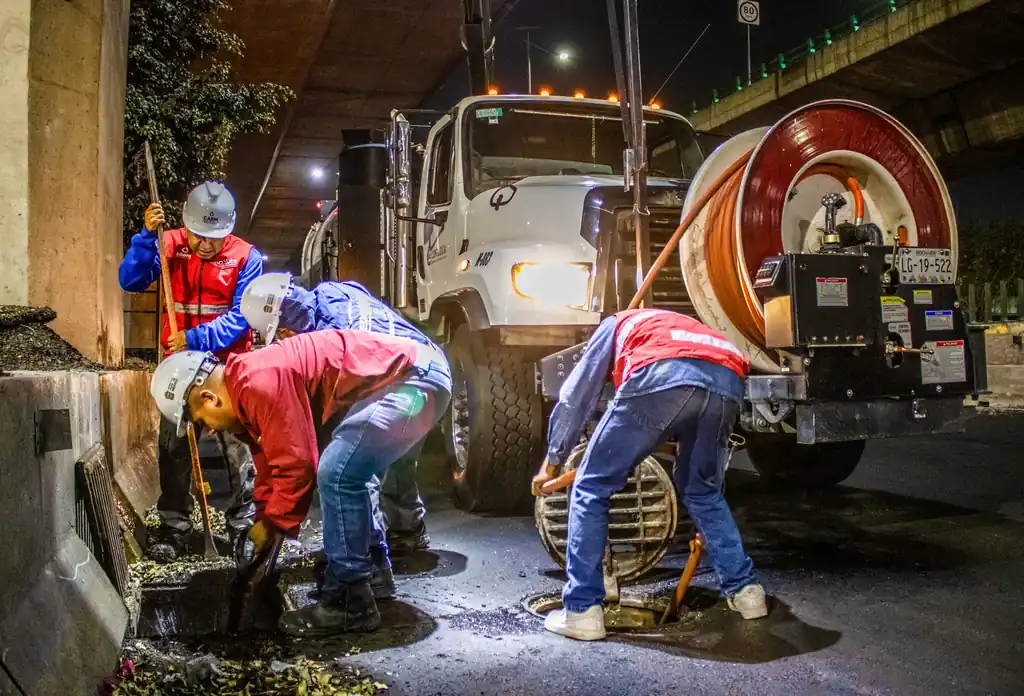
If your drains are backing up or you smell sewage in the yard, call us at 916-975-0088. We answer 24/7 and dispatch emergency crews throughout El Dorado Hills and El Dorado County. For scheduled work, we book most jobs within a few days and confirm your window the day before.